
The Questions Homeowners Ask Before a Major Remodel
A substantial remodel or luxury addition is a big commitment, and most homeowners go in with more questions than answers. That is normal. What follows are the questions we hear most often, answered the way we would in a first conversation: directly, without the sales pitch.
When should I bring in an interior designer?
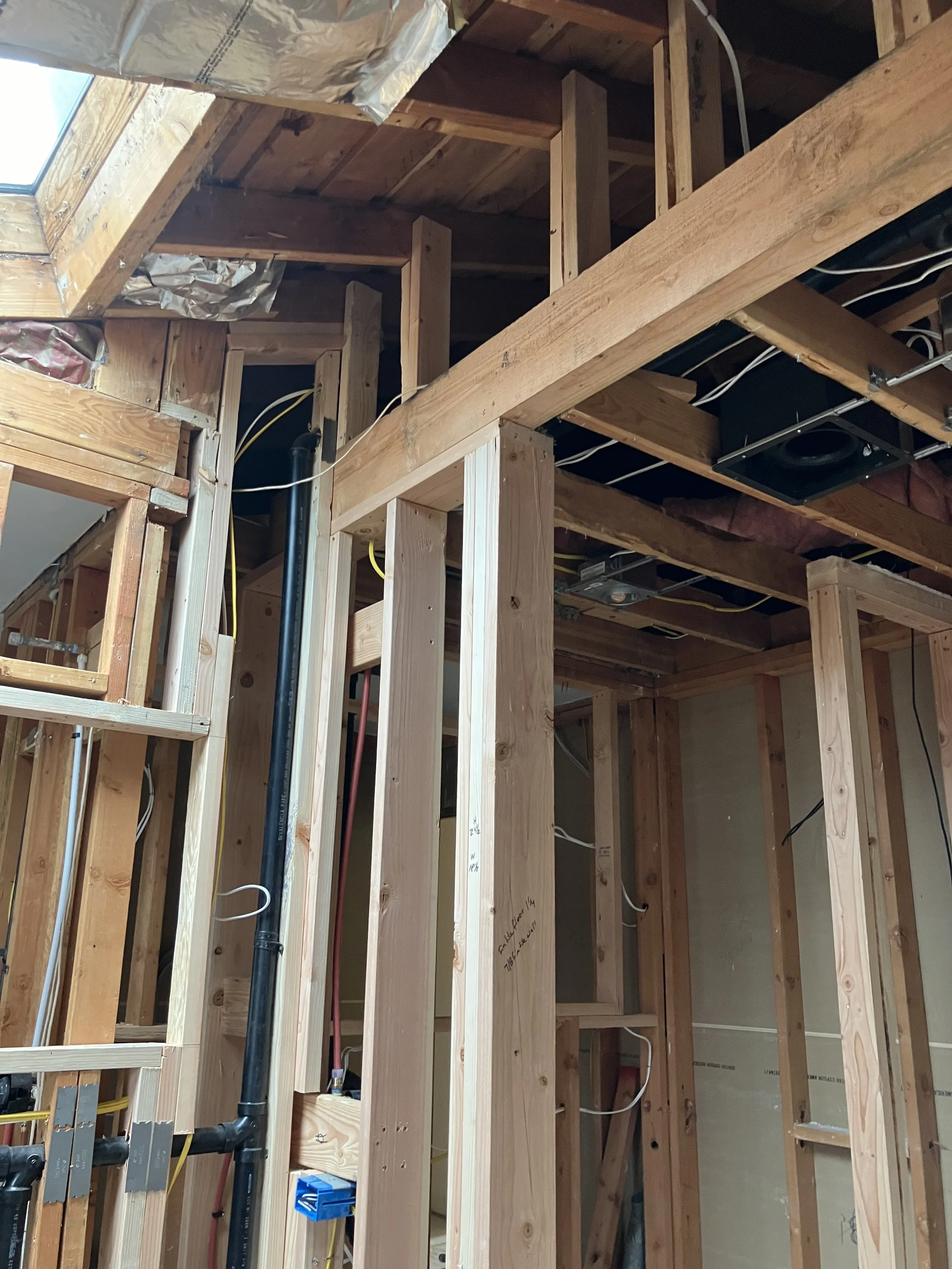
Before you call a contractor. The decisions made early in a project shape everything that follows: floor plan flow, ceiling heights, window placement, structural framing tied to material selections.
Homeowners who hire a designer after construction begins almost always spend more correcting early decisions than they would have spent on design from day one.
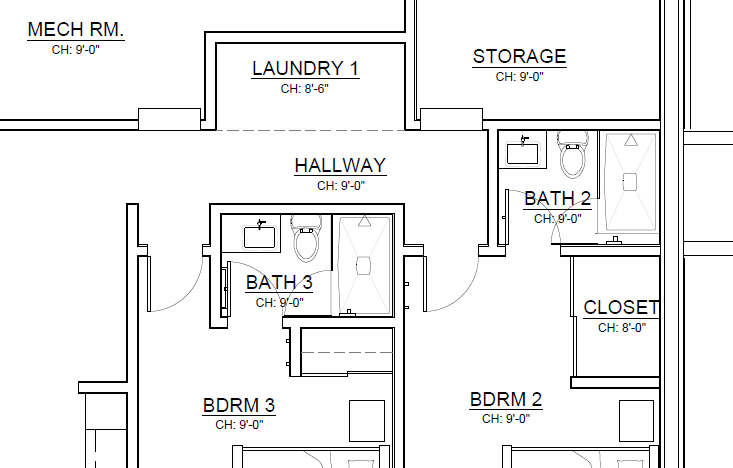
For any project touching structure, adding square footage, or involving multiple rooms, early design is not optional. It is the strategy.
What does a luxury remodel actually cost in the Coachella Valley or the Pacific Northwest?
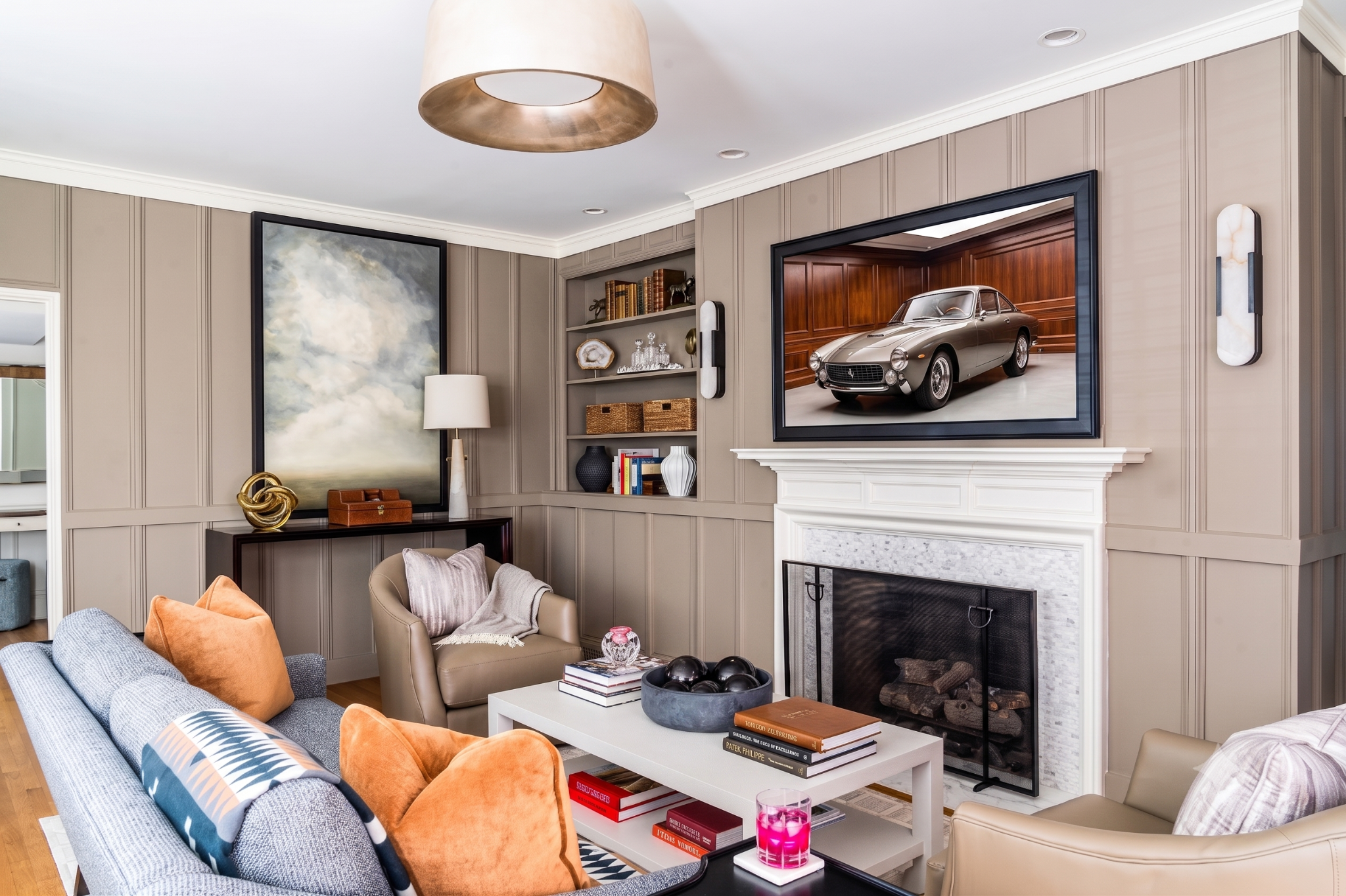
Honestly? Every project is different, and throwing out a number without context does not serve you. What we have found is that the most productive budget conversations start with something visual.
Come to us with examples from our portfolio, or inspiration from similar projects, that show the finishes, scale, and end result you are drawn to. That gives us something real to work from. From there, we can help you develop a realistic budget and connect you with the right general contractor from our trusted network to pressure-test it.
The best question is not…
"What does this cost?"
It is…
"Here is what I love, what does this cost?"
Do I need an interior designer, an architect, AND a general contractor?
More than you might think can be handled through us and our trusted partners. We work with a carefully selected group of architects, general contractors, and specialty trades. For many projects, we can help assemble the right team around you, rather than leaving you to find and coordinate everyone separately.
If you already have an architect you love, that works just as well. We pair naturally alongside existing architects and step in where we add the most: interior design, finish selections, furniture, lighting, and everything that determines how the home actually feels to live in.
Come talk to us before you assume you need to go find everyone yourself. You may already have more covered than you think.
How long does a major remodel or luxury addition take?
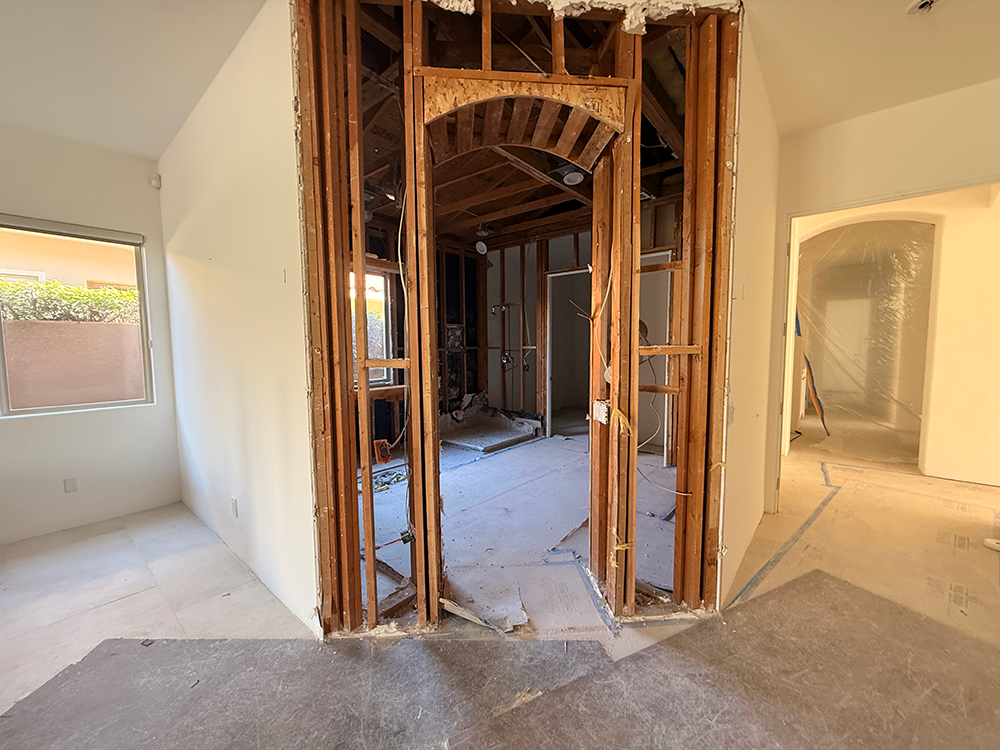
Plan for 18 to 36 months, start to finish. Design and documentation: 3 to 6 months. Permitting: 2 to 6 months. Construction: 12 to 24 months. Custom cabinetry, stone, specialty lighting, and imported tile routinely run 16 to 24 weeks from order to delivery, so those selections need to happen well before those trades start.
Homeowners who finish on schedule are the ones who made decisions early.
Time pressure mid-construction is where expensive compromises happen.
What does full-service interior design actually include?
Space planning, finish specifications, fixture and hardware selection, lighting design, furniture procurement, window treatments, art curation, contractor coordination, and project management through final installation.
At Studio Garrison, the process starts with concept development: translating what you describe as your vision into a specific design language before a single finish is selected. That clarity up front is what keeps the project coherent all the way through.
Can I live in my home during a major remodel?
For a focused kitchen or suite renovation, sometimes. For a whole-home remodel or structural addition, plan to relocate. Dust migrates through HVAC regardless of containment efforts, contractor access is slower in an occupied home, and the disruption is real.
If staying is the only option, phasing the project is workable, though it adds time and cost. Either way, factor temporary housing into the budget before you finalize scope.
What is the biggest mistake homeowners make on a major remodel?
Underbudgeting while overscoping, and making that decision without a design and construction team providing real numbers. The second most common: hiring the design team too late, after structural decisions are already locked.
We regularly work with homeowners who committed to a floor plan that fights how they want to live, because they went from idea straight to contractor. The design phase exists to catch that before it is expensive to fix.
Skipping design does not save money. It relocates costs, from a controlled design fee to construction change orders and the permanent cost of a home that does not work the way you intended.
How do I choose the right interior designer for a project like this?
Look at portfolio work at comparable scale and complexity, not just aesthetic range. A designer with beautiful room photography is not necessarily equipped to manage a whole-home remodel with an architect and an 18-month construction schedule.
Ask about their contractor coordination process and how they handle design decisions that conflict with budget or structure mid-build. The right firm has a process, not just a point of view. You are not hiring taste in isolation. You are hiring a system.
Does design investment show up in resale value?
Consistently designed homes command a premium in both price and speed of sale. Luxury buyers respond to coherence: a home that reads as a whole rather than a collection of upgrades. What undermines value is inconsistency, a considered kitchen next to an overlooked bathroom, high-end flooring that stops without resolution.
For a luxury buyer market in Portland, the Pacific Northwest, or Palm Desert, design quality is part of a home's market position. That said, the better frame is simpler: design well and you get a home you love living in. The resale premium follows naturally.
What happens if I skip the design phase and go straight to a contractor?
The contractor builds to plan. If the plan is underdeveloped, that is what you get. Without full design documentation, contractors make default selections: stock cabinetry, standard trim, builder-grade fixtures. Change orders mid-construction cost far more than design fees would have.
More to the point: the decisions that define how a home feels do not happen by default. They happen through intentional design, or they do not happen at all.